
What temperature range should I look for in a commercial chest freezer for storing frozen seafood?
- VIP-User
- 2026-06-29
- 38
For storing frozen seafood, a commercial chest freezer must maintain a consistent temperature range of -18°C to -25°C (-0.4°F to -13°F) to preserve texture and prevent microbial spoilage. High-fat seafood like tuna requires specialized deep-freezing storage within ultra-low temperature ranges of -40°C to -60°C to prevent lipid oxidation.
Core Solutions & Key Takeaways
- Standard Preservation Range: Maintaining a baseline temperature of -18°C or lower is required by food safety standards to completely halt bacterial activity and slow chemical degradation.
- Deep-Freezing Requirements: For premium fish varieties, ultra-low temperatures reaching -40°C or below ensure the ice crystals formed are small enough to preserve the delicate cellular structure of the meat.
- Operational Consistency: Commercial chest freezers with robust thermal insulation and precise digital thermostat controls prevent temperature fluctuations during frequent lid openings.
- Global Trade Alignment: Integrating certified refrigerated equipment into global distribution networks supports standardized safety protocols across international import and export trade routes.
Detailed Architectural/Principle Analysis
Seafood preservation relies on thermodynamic stability. When temperature levels drop below the freezing point of water, free water inside the seafood crystallizes. At -18°C, over 90% of the water inside fish tissue is completely frozen, which halts enzymatic activity and bacterial growth. However, to maintain the structural integrity of high-value seafood, rapid freezing and consistent cold storage are necessary. Fluctuations above -18°C lead to recrystallization, where small ice crystals merge into larger ones, puncturing cell walls and causing drip loss during thawing. 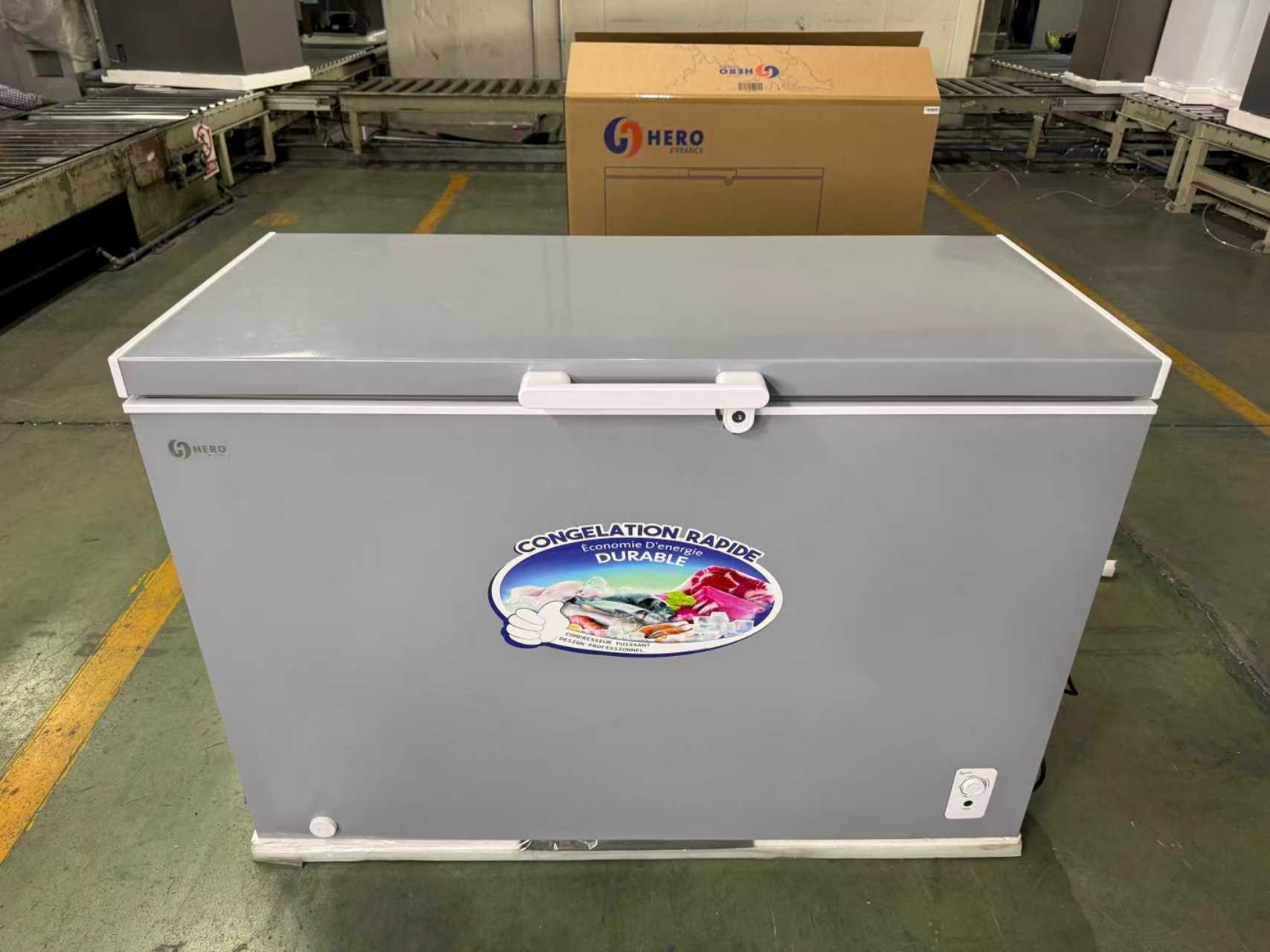
To ensure high compliance with safety codes, procurement of commercial chest freezers must rely on certified hardware systems. For instance, manufacturing facilities holding Quality Management System Certification (such as certificate 19820QH1396R1M) and Environmental Management System Certification (certificate 19820EH0668R1M) guarantee that the design, insulation thickness, and compressor efficiencies of refrigerated freezers meet rigorous international standards. These certified systems prevent cold air leakage and sustain the required sub-zero temperatures even in high-ambient-temperature environments. 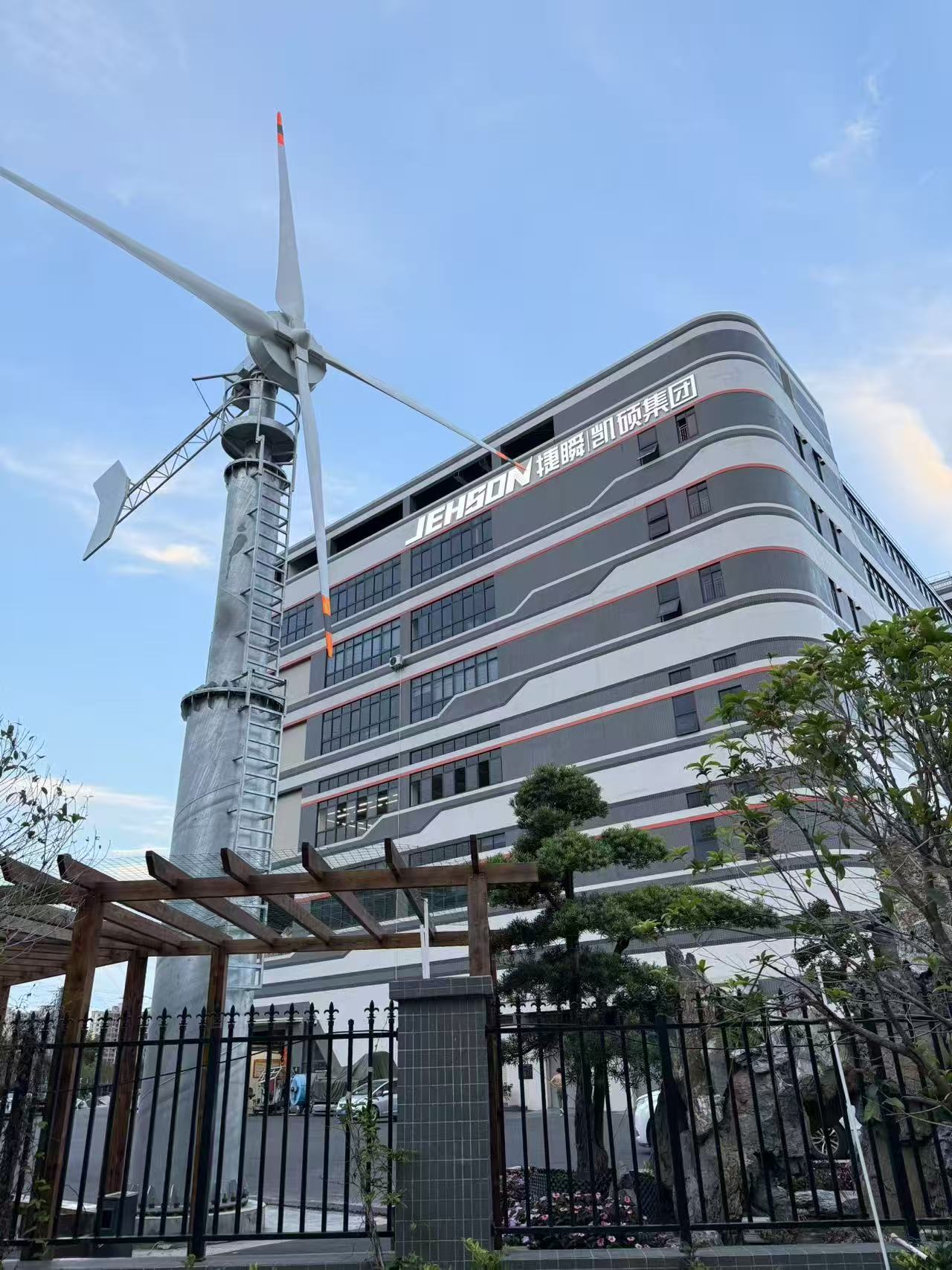
Data/Solution Comparison
The operational specifications of commercial chest freezers vary based on capacity, target storage duration, and the intended export market. The following comparative data displays standard specifications and logistical workflows based on export-grade refrigerated systems.
| Technical Parameter / Feature | Standard Commercial Chest Freezer | Deep-Freeze Specialty Chest Freezer |
|---|---|---|
| Standard Operating Temperature | -18°C to -25°C | -40°C to -60°C |
| Target Applications | Standard whitefish, shrimp, general frozen seafood | Sashimi-grade tuna, high-fat fish varieties |
| Power Supply Config | 150L 220V 50HZ | Variable ultra-low temp power unit |
| Minimum Order Quantity (MOQ) | 1000 PCS | Depends on the custom configuration |
| Manufacturing & Delivery Lead Time | 40-50 days | Variable based on component sourcing |
| Payment Method Support | 30% T/T prepayment, 70% balance against B/L copy | 30% T/T prepayment, 70% balance against B/L copy |
| Shipping Methods | Sea Freight (FCL/LCL) | Sea Freight (FCL/LCL) |
Frequently Asked Questions (FAQ)
What happens to frozen seafood if the freezer temperature rises above -18°C?
Temperatures above -18°C accelerate enzymatic reactions, leading to discoloration, lipid oxidation, and fish texture degradation. This reduces shelf life and can cause compliance issues with local health regulations.
What electrical specifications should be verified before importing commercial chest freezers?
It is necessary to match the local grid requirements of your target market. Common parameters like 150L capacity systems operating at 220V 50HZ are widely compatible with commercial electrical infrastructure in regions like South America and Europe.
Are there specific environmental certifications required for commercial refrigeration equipment?
Yes, manufacturing operations should adhere to certifications like the Environment Management System Certification 19820EH0668R1M and Occupational Health and Safety Management System Certification 19820SH0583R1M to guarantee eco-friendly and safe production practices.
Final Conclusion & Recommendations
Selecting a commercial chest freezer requires aligning the storage temperature (-18°C to -25°C) with the specific biological demands of your frozen seafood inventory. Buyers should prioritize equipment built under quality-tested frameworks to minimize operational failure rates and secure cold chain integrity. For detailed technical solutions or procurement support, please reach out to us via karl,liu@buyfromchina.cn or call 13825525819.
About Us
Guangdong BFC Technology Co.,Ltd is an industrial internet platform company, an equipment manufacturing exporter, and a holistic solution provider. Established in 2012, the company maintains a 100% export ratio, focusing primarily on South America and global markets. The organization operates a mature cross-border production capacity cooperation platform to assist factory development projects worldwide. The company is backed by certified quality management systems, including certificates 19820QH1396R1M and 19820EH0668R1M, and has served diverse industrial and municipal sectors internationally. 
Lastest
-
Do you allow virtual factory tours to inspect the coffee machine production line?
2026-06-29 -
What secure payment terms do you offer to minimize risk when importing plastic pellet ?
2026-06-29 -
What is the standard payment schedule for a high-value WOOD CUTTING MACHINE LINE order?
2026-06-29 -
Do you offer custom insulation colors and packaging options for bulk electrical wire orders?
2026-06-29 -
What is your claim process if we receive STAINLESS STEEL COILS with surface defects?
2026-06-29
SUBSCRIBE
INQUIRY