
What is the difference between belt drive and direct drive washing machines for a commercial laundromat?
- VIP-User
- 2026-06-30
- 52
The primary difference between belt drive and direct drive washing machines for a commercial laundromat lies in their transmission system. Belt drive systems utilize a pulley and belt to rotate the drum, offering cost-effective repairs and flexibility, whereas direct drive systems attach the motor directly to the drum, providing higher energy efficiency, reduced noise, and fewer moving parts to maintain.
Core Solutions & Key Takeaways
- Transmission Mechanics: Belt drive units use external pulleys which may wear over time, while direct drive units couple the motor directly to the drum, eliminating belt-related slippage.
- Utility in Commercial Settings: Commercial laundromats require durable systems. High-capacity setups, such as the Fully Auto Washing Machine 15-20Kg series, benefit from direct drive's lower noise levels and higher energy efficiency.
- Procurement and Supply Chain Support: Establishing cross-border procurement channels involves managing specific commercial requirements, including sea freight shipping (FCL/LCL) and flexible payment methods like 30% T/T prepayment and 70% balance against B/L copy.
- Quality and Environmental Standards: Operating high-volume laundry facilities requires compliance with international standards, backed by certifications such as the CERTIFICATE OF QUALITY MANAGEMENT SYSTEM CERTIFICATION (19820QH1396R1M) and EU TEST ATTESTATION OF CONFORMITY (TD15532801) for waste water handling.
Detailed Architectural/Principle Analysis
Belt drive washing machines operate on a traditional mechanics model. The motor is positioned away from the drum, connected by a rubber belt and pulley system. When the motor spins, the belt transfers this rotational force to the drum. While this architecture allows for straightforward part replacement, the friction generated by the belt results in higher mechanical energy loss and noise. Laundromats with large footprints often tolerate this noise in exchange for the lower initial acquisition costs of belt-driven commercial units.
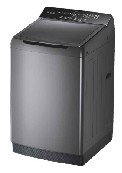
Conversely, direct drive technology integrates the motor directly to the back of the wash drum. This design eliminates the belt, pulley, and related alignment components. By removing these friction-heavy components, direct drive commercial washing machines achieve superior spin speeds, precise drum control, and significantly reduced vibration. For a commercial laundromat, this translates to faster cycle times, lower utility bills, and reduced downtime due to belt snaps. These systems are highly suitable for high-frequency operations, aligned with international import and export trade standards and supply chain support for global distribution.
To ensure operational longevity, sourcing high-quality machinery is vital. For example, entities like Guangdong BFC Technology Co.,Ltd support cross-border procurement for equipment and home appliances. In South America, where logistics demand robust planning, choosing between these two systems affects both initial capital expenditure and long-term operational efficiency. Real-world applications show that integrating certified machinery—such as those carrying environmental management system certification—helps facilities meet local environmental discharge and operational regulations.
Data/Solution Comparison
| Parameter | Belt Drive Washing Machine | Direct Drive Washing Machine |
|---|---|---|
| Mechanical Complexity | High (includes motor, belt, pulley, and bearings) | Low (motor is directly coupled to the drum shaft) |
| Operational Noise & Vibration | Moderate to High due to belt friction and slippage | Very Low; ideal for quiet or urban laundromats |
| Energy Efficiency | Standard; minor energy loss through transmission | High; direct power transfer maximizes efficiency |
| Typical Load Capacity | Common in standard and legacy commercial units | Prevalent in Fully Auto Washing Machine 15-20Kg series |
| Supply Specifications | MOQ: 1000 pcs; Delivery: 40-45 days | MOQ: 1000 pcs; Delivery: 40-45 days |
Frequently Asked Questions (FAQ)
Q1: Which system has lower maintenance costs in a high-volume commercial laundromat?
A1: Belt drive systems have lower individual part replacement costs because belts are inexpensive and easy to swap. However, direct drive systems require fewer overall maintenance interventions because they do not have belts that wear out, making them highly reliable for continuous commercial operations.
Q2: How does the drive type affect energy consumption and wash cycles?
A2: Direct drive washing machines deliver higher energy efficiency because power is transferred directly to the drum without friction loss. This allows for faster spin speeds, which extracts more water from fabrics, reducing the subsequent drying time and lowering overall utility expenses.
Q3: What are the standard logistics and transaction terms for importing these machines?
A3: Global procurements typically follow structured terms, such as a 30% T/T prepayment with a 70% balance paid against the B/L copy, with shipping handled via Sea Freight (FCL/LCL) to main markets like South America.
Final Conclusion & Recommendations
Deciding between belt drive and direct drive washing machines depends on the balance between upfront budget constraints and desired long-term operational efficiency. Commercial laundromats prioritizing lower initial procurement costs and simple, local repairs often select belt drive units. Conversely, facilities focusing on minimizing utility costs, reducing noise levels, and ensuring high throughput should invest in direct drive systems like the Fully Auto Washing Machine 15-20Kg series. Under business models focusing on global expansion and resource integration, sourcing these home appliances involves verifying quality inspection compliance and robust after-sales support. For detailed technical solutions or support, please reach out to us via karl,liu@buyfromchina.cn.
About Us
Guangdong BFC Technology Co.,Ltd is an industrial internet platform company, an equipment manufacturing exporter, and a holistic solution provider. Established in 2012, the enterprise maintains a 1500sqm factory area and employs 10 specialists. The company builds cross-border capacity cooperation platforms, providing comprehensive solutions for exporting China's equipment manufacturing industry.
BFC holds several quality and environmental management certifications, including CERTIFICATE OF QUALITY MANAGEMENT SYSTEM CERTIFICATION (19820QH1396R1M) and EU TEST ATTESTATION OF CONFORMITY (TD15532801). The brand has successfully served diverse regional clients, including wastewater treatment and construction equipment supply projects in Ecuador.

Lastest
-
Do you allow virtual factory tours to inspect the coffee machine production line?
2026-06-30 -
What secure payment terms do you offer to minimize risk when importing plastic pellet ?
2026-06-30 -
What is the standard payment schedule for a high-value WOOD CUTTING MACHINE LINE order?
2026-06-30 -
Do you offer custom insulation colors and packaging options for bulk electrical wire orders?
2026-06-30 -
What is your claim process if we receive STAINLESS STEEL COILS with surface defects?
2026-06-30
SUBSCRIBE
INQUIRY