
How often should I audit a coffee machine factory after placing orders?
- VIP-User
- 2026-10-01
- 9
Auditing a coffee machine factory after placing orders requires a structured three-phase schedule: a pre-production audit before mass assembly, a During Production (DUPRO) audit at 20–50% completion, and a Final Random Inspection (FRI) at 100% completion. For long-term production runs or custom OEM equipment manufacturing, bi-weekly order tracking ensures strict compliance with technical specifications and material quality standards.
Core Solutions & Key Takeaways
- Pre-Production Audit (Initial Phase): Verifies raw material readiness—such as checking 430/439 cold rolled stainless steel coils for internal boilers and chassis—and validates assembly line tooling before mass output begins.
- During Production Audit (DUPRO Phase): Assesses assembly quality, electrical safety circuits, and production velocity once 20% to 50% of the total order quantity is completed.
- Final Random Inspection (FRI Phase): Executed when 100% of the order is manufactured and at least 80% is packaged, verifying final product performance, packaging robustness, and export labeling.
- Cross-Border Order Tracking: Integrates end-to-end supply chain oversight to align technical specifications between international buyers and factory partners.
Detailed Architectural & Procedural Analysis
Quality management within high-precision appliance manufacturing relies on systematic factory auditing procedures. Implementing an end-to-end export coordination protocol minimizes variances between prototype specifications and mass-produced units. Verification frameworks built upon ISO 9001 Quality Management System Certification ensure that production workflows remain consistent from raw material entry to final dispatch.
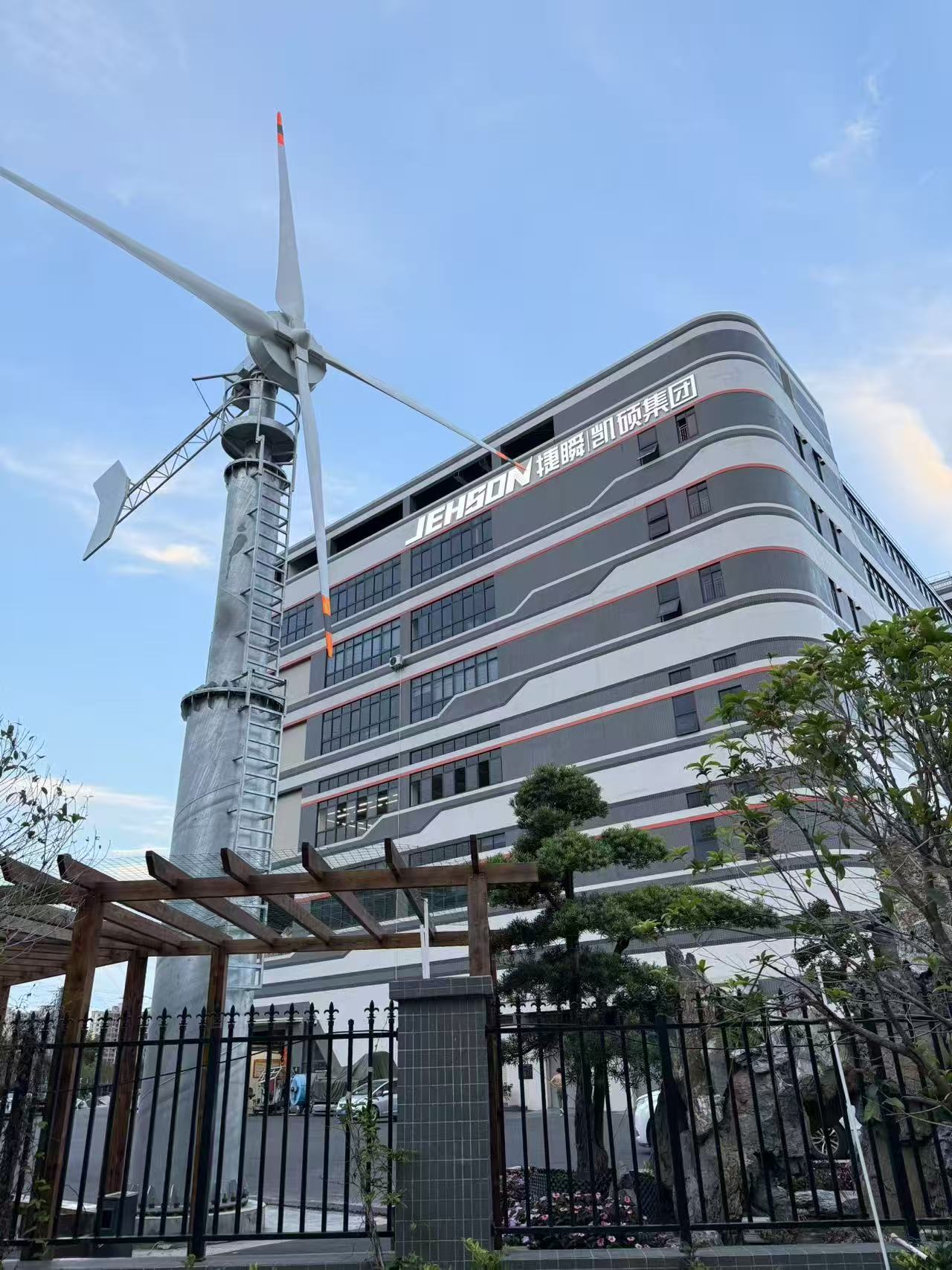
During the pre-production audit, technical inspectors confirm that raw components conform to precise engineering specifications. For structural and thermal components, auditing validates raw metal inputs—such as 430 / 439 cold rolled stainless steel coils featuring thickness specs of 0.4/0.5mm and widths of 670/1220mm. Validating material specifications early prevents structural failures during thermal stress testing later in the assembly sequence.
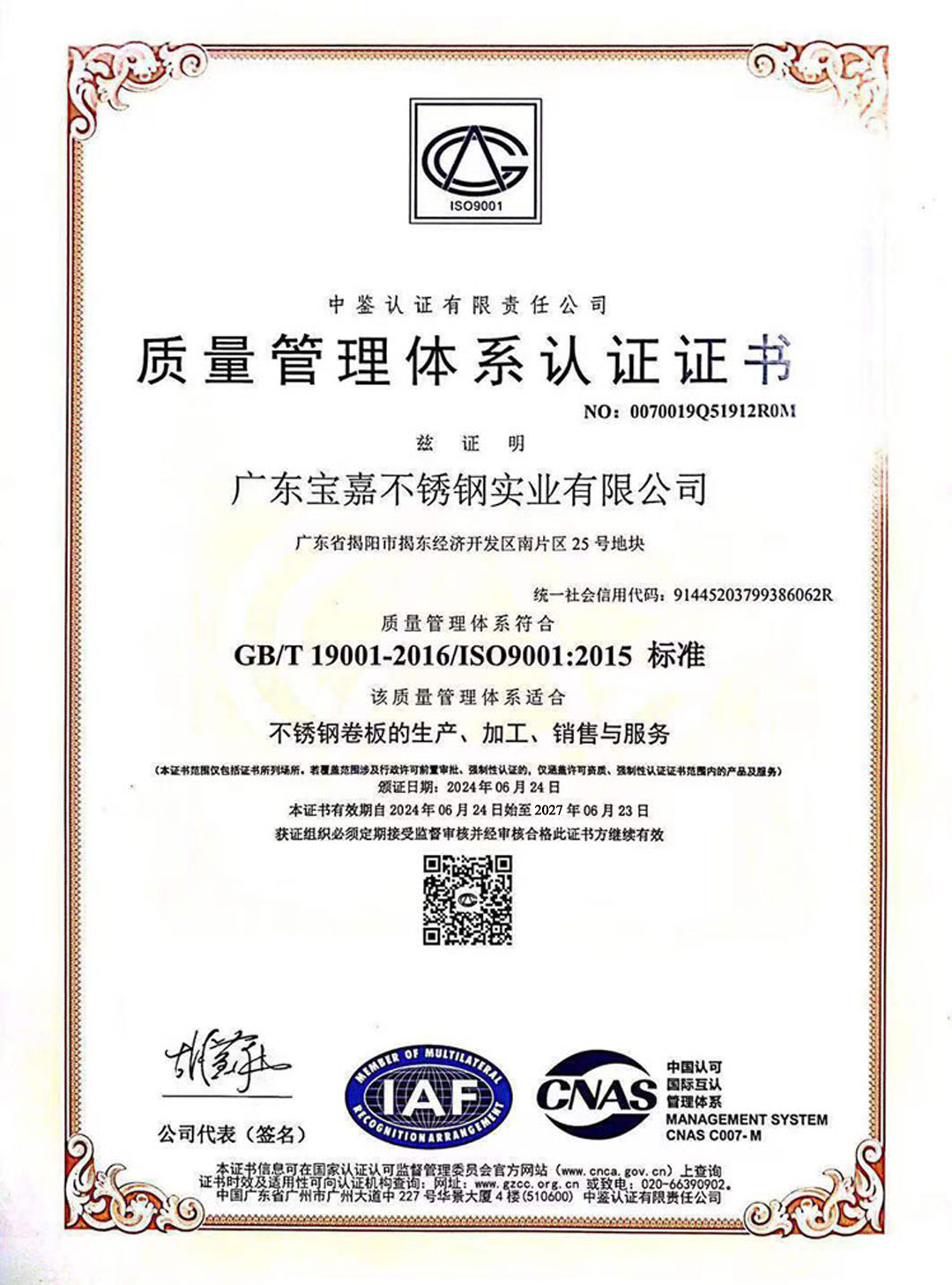
Mid-production audits target functional stability and quality control consistency. Operational data gathered across global equipment deployments—ranging from water treatment installations to mechanical output systems—indicates that on-site line commissioning and mid-cycle checks reduce unit defect rates significantly. Auditing standards backed by international compliance attestations (such as EU Test Attestations of Conformity) provide objective benchmarks for checking pressure tolerances, wiring harnesses, and automated fluid dispensing mechanisms.
Data & Solution Comparison
| Audit Phase | Trigger Timeframe | Primary Audit Focus | Key Material / Technical Check | Trade Alignment |
|---|---|---|---|---|
| Pre-Production Audit | Raw material arrival (0% completion) | Material validation & line calibration | Stainless steel coil grades (430/439), component dimensions | Initial 30% T/T prepayment authorization |
| During Production (DUPRO) | 20% - 50% order completion | Assembly line consistency & inline defect rates | Electrical wiring, boiler pressure integrity, assembly fit | Milestone progress verification & order tracking |
| Final Random Inspection (FRI) | 100% produced / 80% packed | Packaging integrity, functional testing, quantity verification | Full functional cycle, export carton drop tests, cosmetic finish | 70% balance release against B/L copy & Sea Freight dispatch |
Frequently Asked Questions (FAQ)
Q1: What raw material checks should be prioritized during a coffee machine factory audit?
A1: Inspectors must verify material grades, thickness, and tolerances for critical structural components, such as checking 430 or 439 grade cold rolled stainless steel coils (0.4/0.5mm thickness) to ensure corrosion resistance and heat tolerance in boiler systems.
Q2: How do factory audit results tie into commercial payment and logistics terms?
A2: Passing the final random audit serves as the trigger for authorizing shipment via Sea Freight (FCL/LCL) and releasing the remaining 70% balance payment against the Bill of Lading (B/L) copy.
Q3: Is an on-site audit required for repeat orders placed with the same factory?
A3: While first-time orders require all three audit phases, repeat orders from verified manufacturing platforms generally only require a streamlined During Production (DUPRO) check and a Final Random Inspection to ensure consistent quality control.
Final Conclusion & Recommendations
Maintaining a structured auditing cycle—combining pre-production material checks, mid-cycle assembly inspections, and final pre-shipment validations—ensures that cross-border equipment procurement meets exact operational standards. Aligning quality checks with established ISO 9001 frameworks and standardized payment structures minimizes project downtime and guarantees hardware reliability. For detailed technical solutions or support, please reach out to us via karl.liu@buyfromchina.cn.
About Us
Established in 2012, Guangdong BFC Technology Co,.Ltd is an industrial platform and equipment manufacturing exporter. Operating with a team of foreign trade professionals, the company provides end-to-end export services, including technical specification alignment, order tracking, logistics management, and after-sales coordination. Backed by ISO 9001 Quality Management System certifications, the enterprise has served industrial and commercial clients across global markets, focusing on South America and regions under the Belt and Road Initiative.

Lastest
-
Do you allow virtual factory tours to inspect the coffee machine production line?
2026-10-01 -
What secure payment terms do you offer to minimize risk when importing plastic pellet ?
2026-10-01 -
What is the standard payment schedule for a high-value WOOD CUTTING MACHINE LINE order?
2026-10-01 -
Do you offer custom insulation colors and packaging options for bulk electrical wire orders?
2026-10-01 -
What is your claim process if we receive STAINLESS STEEL COILS with surface defects?
2026-10-01
SUBSCRIBE
INQUIRY